Can You Stand on One Leg for 10 Seconds? What Your Balance Says About You
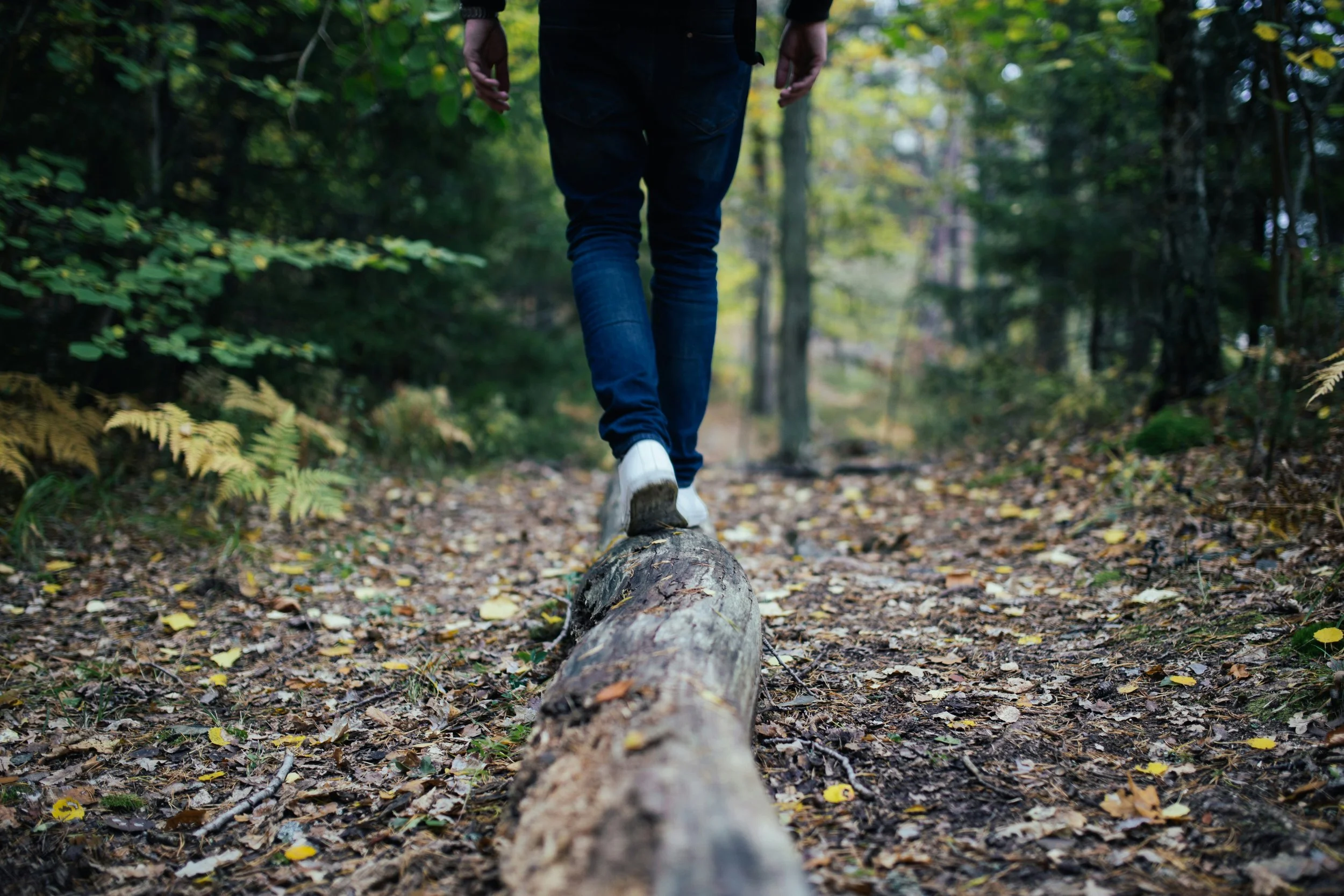
Here's a little test. Stand near a wall or the kitchen counter, lift one foot, and see if you can hold it for 10 seconds without grabbing anything.
Harder than you expected? You're not alone. When I do this in class, there's always a lot of wobbling and laughing. And that's completely normal.
Balance is one of those things we don't think about until it starts to slip. And it turns out researchers have been paying attention to it too.
What the 10-Second Balance Test Study Found
In 2022, a study in the British Journal of Sports Medicine looked at about 1,700 adults aged 51 to 75 in Brazil. At a check-up, each person was asked to stand on one leg for 10 seconds. Then the researchers followed them for an average of seven years.
About one in five couldn't do it. And the people who couldn't hold the 10 seconds were more likely to die during the study than the people who could, even after the researchers accounted for age and existing health conditions.
That sounds scary, so let's be clear about what it does and doesn't mean:
It found a link, not a cause. Wobbling on one leg doesn't shorten your life. More likely, balance is one sign of your overall health and strength.
It's one study, and the researchers pointed out its limits. Everyone in it was from Brazil, and they didn't have information on things like activity levels or past falls.
It's not a diagnosis. If you can't do it today, that's not a verdict. It's a starting point.
You can read a plain-language summary of the study from the University of Bristol, one of the universities involved.
Why Balance Matters as We Get Older
I don't need a study to tell me balance matters. I see it in my classes every week.
Balance is what lets you step off a curb without thinking about it. Carry laundry down the stairs. Pull on your socks standing up. Catch yourself when you trip on the edge of a rug. It quietly shows up in almost everything you do.
And like any skill, it gets rusty if you don't use it. The good news is you can practise it, and most women in my studio notice they feel steadier on their feet once they do.
A 10-Minute Pilates Balance Class to Try
I put together a short, beginner-friendly Pilates balance class for women over 40. We'll work your feet, ankles, hips and core, the parts that help keep you steady.
A few tips before you press play:
Keep support close. Stand next to a wall, counter or sturdy chair, and use it. That's not cheating.
Expect to wobble. It's normal, and it's part of how you get better.
Pick a spot. Keep your eyes on one point in the room. It helps a lot.
Easy Ways to Practise Balance Every Day
Stand on one leg while you brush your teeth. Switch legs halfway.
Walk heel-to-toe down the hallway, like you're on a tightrope.
Do Pilates or yoga a few times a week for strength, control and body awareness.
Don't forget your feet. Spread your toes, rise up onto the balls of your feet, slowly lower down.
If you've had falls, dizziness, or you're nervous about trying any of this, check with your doctor or a physio first.
The Takeaway
You don't have to nail the 10-second test tomorrow. Just start practising. A little bit, most days.
Balance is worth paying attention to, not because of one study, but because it's what lets you keep doing the things you love: hiking, gardening, travelling, chasing grandkids around the park.
Want More Balance Work?
My online studio has a whole range of classes with balance built right in, including standing classes with no floor work. Classes are mostly 20 to 30 minutes, and there's a suggested plan every week so you just press play.
Your first 7 days are free.
_
About the Author
Christine Kirkland is a certified Pilates instructor with over a decade of experience specializing in functional fitness, posture alignment, and balance for women over 40. After years of pushing her own body through grueling, high-impact routines, Christine pivoted to low-impact Pilates—discovering that true physical longevity comes from working with your body, not against it.
Christine’s signature training method focuses on identifying and undoing the physical compensations caused by years of desk work and old injuries. By rebuilding strength from a corrected foundation, she helps women safely protect their joints while cultivating deep, everyday full body strength and flexibility.
In addition to being a regular health and fitness contributor for Sixty and Me, she is the founder of the Christine Kirkland Pilates Online Studio, an online on-demand movement space dedicated to helping women build the strength, mobility, and confidence they need to keep doing what they love for decades to come.
